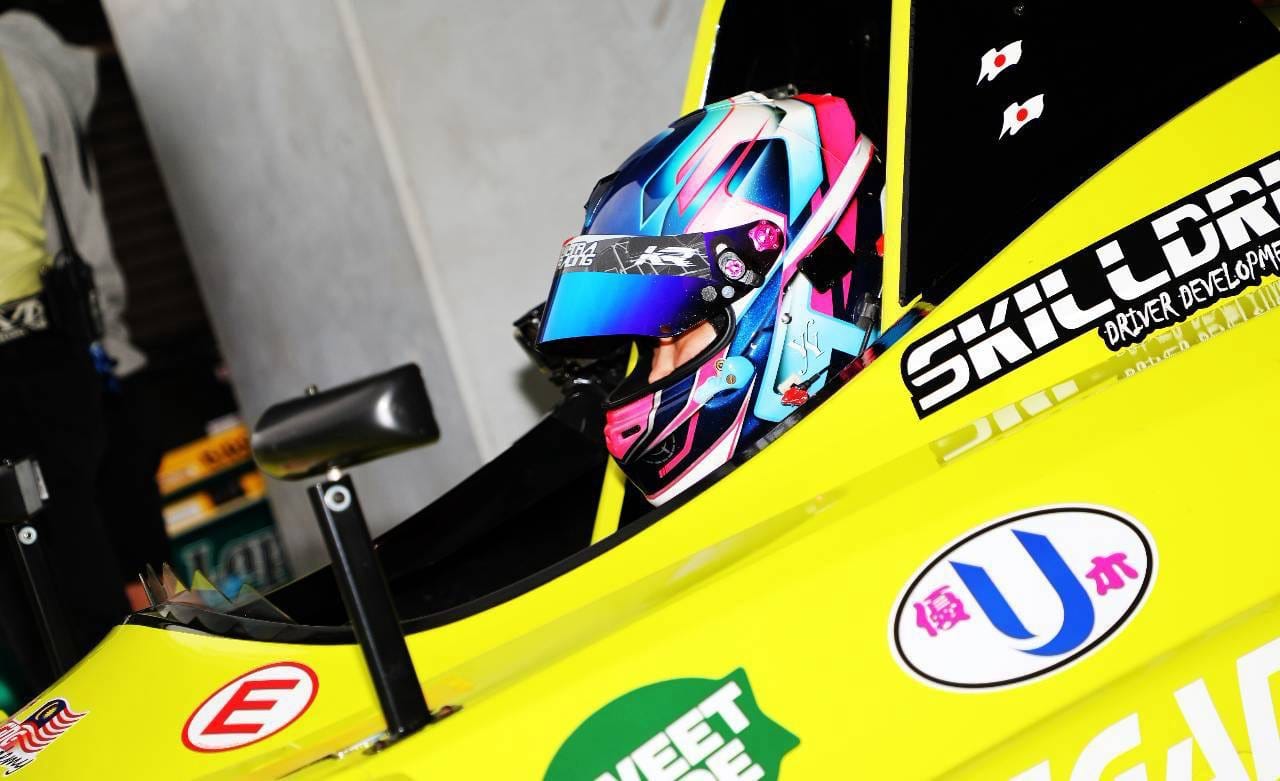
Unlike the traditional ladder, where drivers start their professional motorsports careers in childhood karting, Loke Yin Yi took a different route.
“I have been passionate about cars since I was young. Most of the toy cars I had were remote-controlled because I didn’t just want to look at them, I wanted to control and drive them,” she shares.
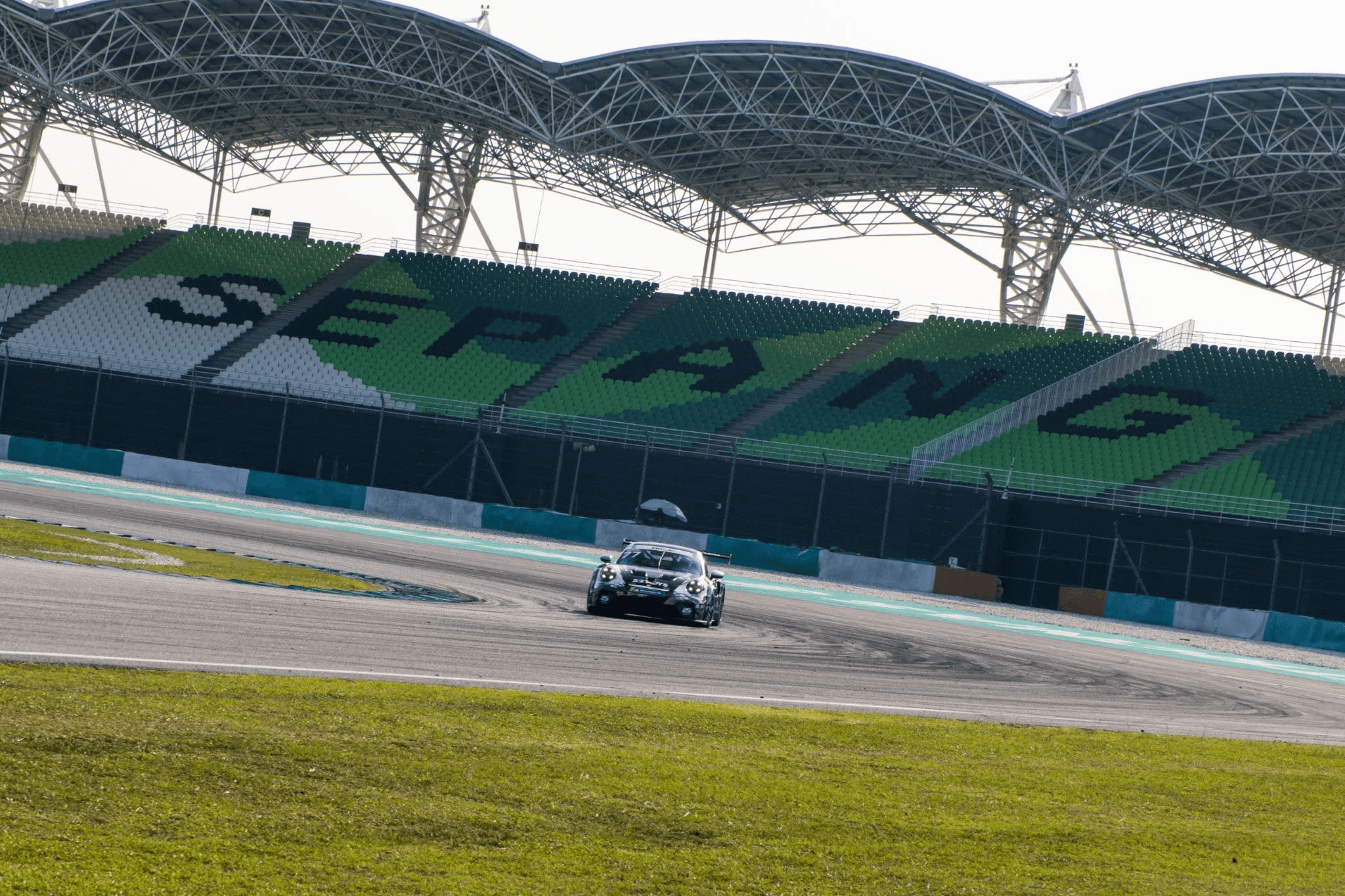
When the Malaysian discovered go-karting, it felt like the perfect opportunity to turn a childhood passion into reality. The rest is history. Even before racing under Kegani Racing Academy (KRA) in the KRD National Karting Series, a competitive 125cc championship spanning Cadet, Junior, Senior, and Master categories at tracks like the Sepang International Kart Circuit, Yin Yi was already clocking some of the fastest lap times at almost every rental karting circuit around the Klang Valley.
From there, she dove straight into competitive racing. After honing her racecraft in production-based saloon cars through KRA and the Malaysian Speed Festival, Yin Yi eventually made the leap into single-seaters, expanding her career internationally.
Stepping into the 2026 KYOJO VITA Championship, Yin Yi became the first Malaysian female driver to earn a podium finish at Fuji Speedway, claiming a hard-fought third place after navigating difficult wet conditions.
From her early karting days to her international breakthrough, Yin Yi reflects on her racing journey so far.
From Cars to Karts
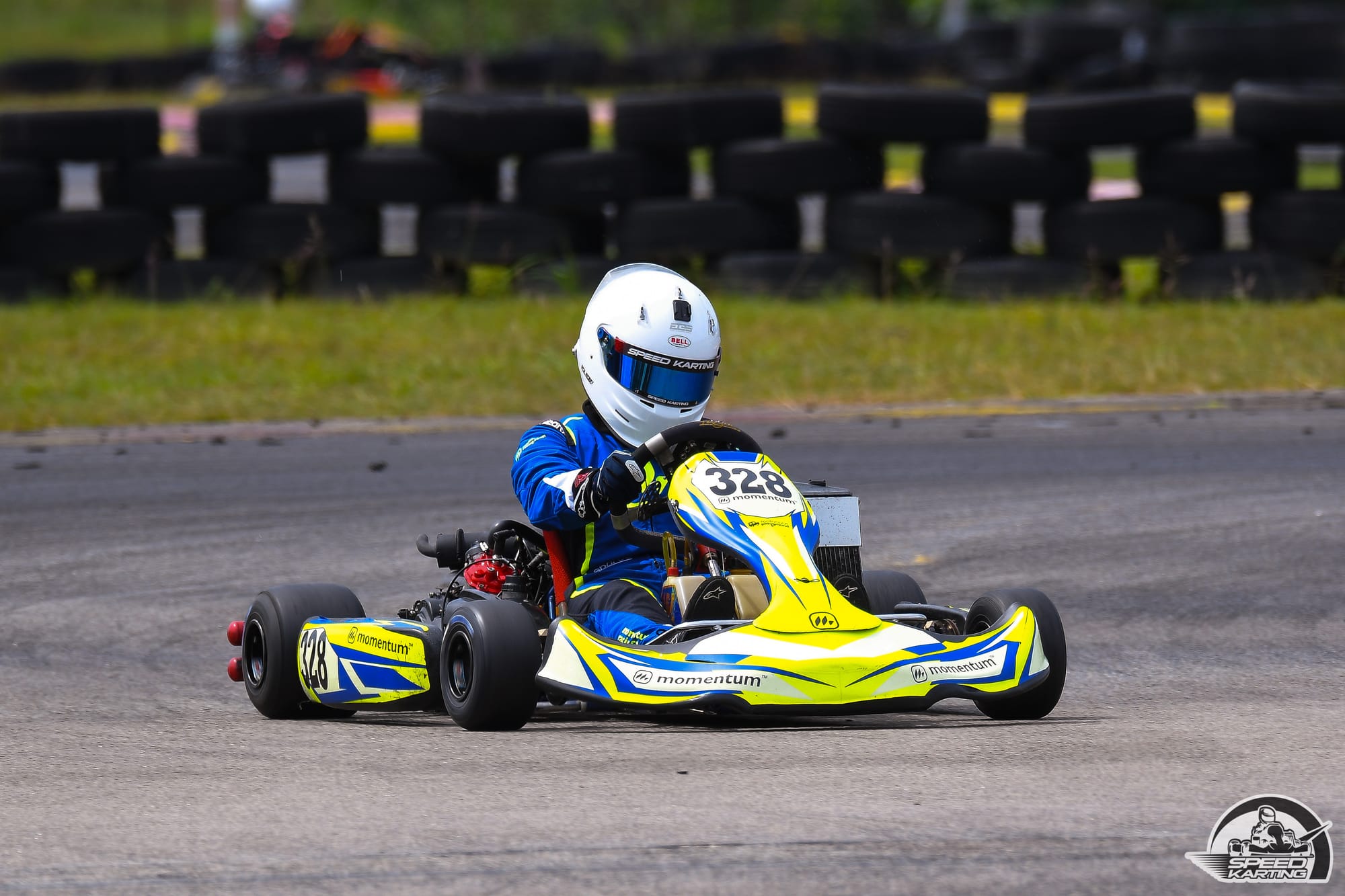
Scroll through Yin Yi’s Instagram, and it’s clear that her passion for cars shines through. As she describes it, karting was the first way she could get behind the wheel and experience driving without needing a licence.
“After getting my driving licence, I started going on touge drives (driving or racing on narrow, winding mountain passes) with my friends every week,” she recalls. “Over time, those drives confirmed how much I truly enjoyed driving and made me realise that this was something I really wanted to pursue.”
Signing with KRA gave Yin Yi the opportunity to compete at a higher level of karting. Stepping into the KRD 125cc Open category in a Rotax MAX DD2, she qualified 11th on her series debut and finished sixth overall while clocking a personal best.
It was more than receiving race gear or a custom suit. It was someone believing in me when I was still at the very beginning of my journey. That gave me more confidence to take racing seriously and see how far I could go.
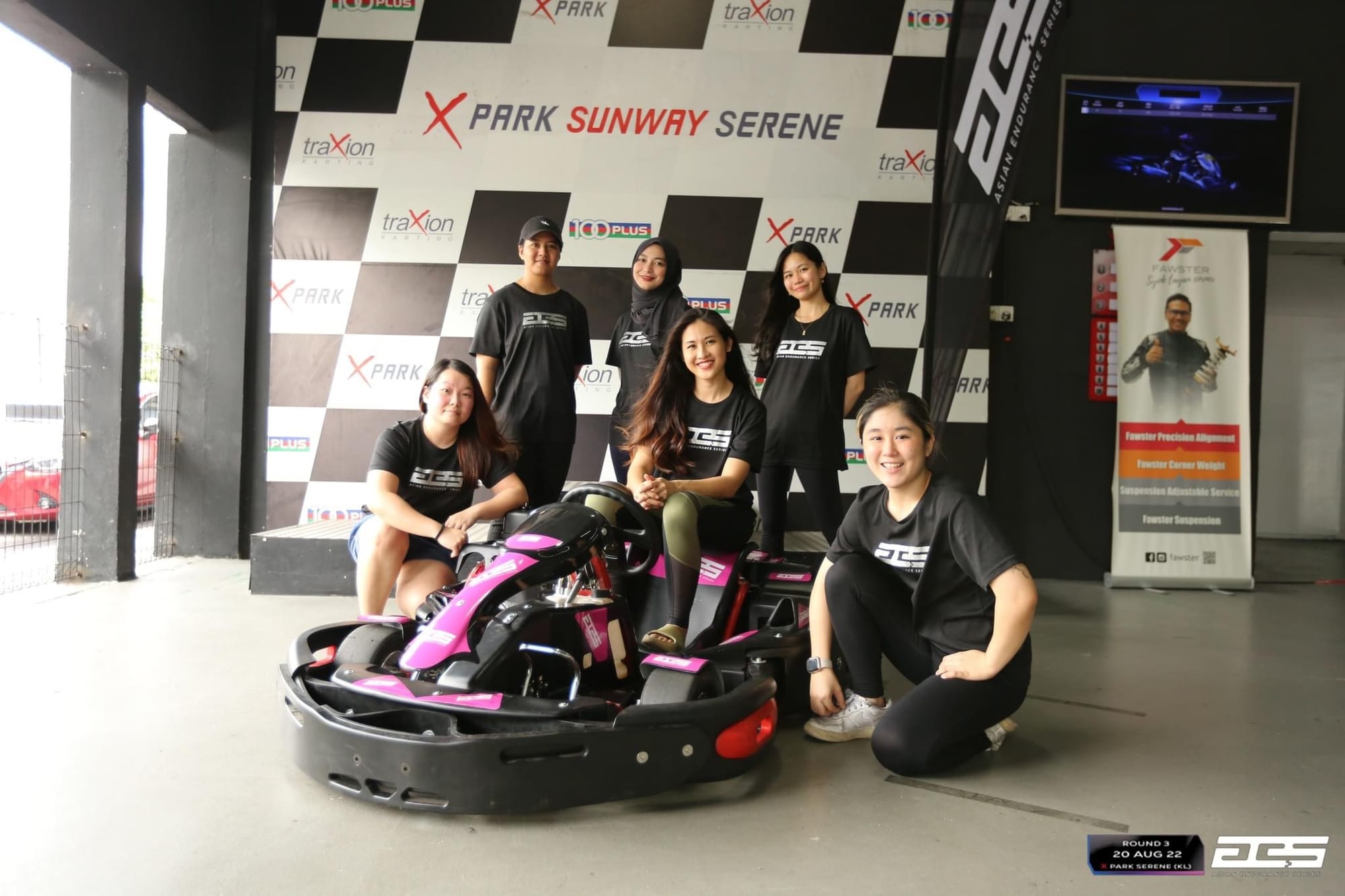
Her first outing in endurance karting came at the Asian Endurance Series at TraXion, X Park Sunway Serene. Selected for the final lineup, Yin Yi raced alongside professional racing driver Leona Chin on the grid's only all-female squad.
“Competing against all the male teams, I really wanted to prove what we were capable of and show that we could be just as competitive on track,” she says. “I started the race and managed to build a gap over the other competitors before handing the car over to my teammates. Everyone did a great job, and we worked together to bring the car home in P2 in our very first race as a team.”
Building Her Racecraft Through Grassroots Racing
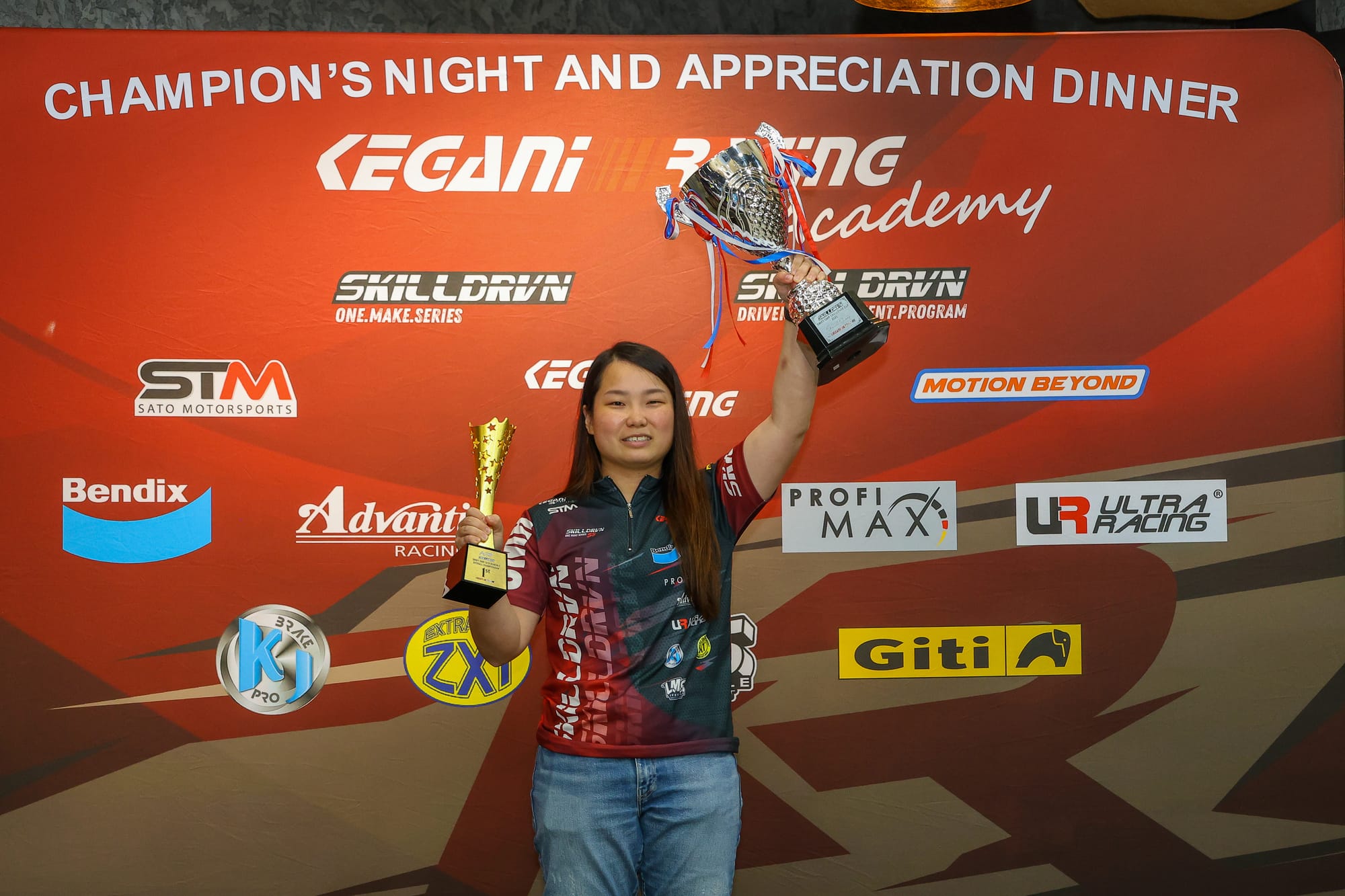
One of Yin Yi’s standout achievements was winning back-to-back overall championships in the SKILLDRVN One Make Race (OMR) Series in 2024 and 2025 under the mentorship of KRA principal and veteran racer Kenny Lee.
Here, drivers compete in identically prepared 1.6-litre Suzuki Swift (ZC31S) race cars under strict control regulations, putting the emphasis purely on driver skill, weight transfer, and racecraft.
Winning consecutive titles directly earned Yin Yi a fully funded racing contract. Graduating into the 2026 SKILLDRVN Swift Supercup Pro Series with Team Ultra Racing, she immediately took pole and won the season opener at Sepang. Most recently, in Round 4 on 19 October, she claimed victory in Race 1 and secured second place in Race 2.
When asked how she handles the shift in pressure and expectations, Yin Yi says she enjoys the challenge. “When you’re being hunted, you know that the smallest mistake can make a big difference. As the driver to beat, I have to minimise every mistake and be even more consistent.”
She adds, “At the same time, I always remind myself to focus on my own progress rather than constantly looking at how others are improving. I believe that as long as I keep working on myself, learning from my mistakes, and pushing my own limits, the results will come naturally.”
The leap from karting to car racing was just as demanding. Every car, racing format, and situation presented Yin Yi with a steep learning curve, from mastering weight transfer, body roll, and how the car behaves under different conditions to putting in the hours practising, learning the machinery, and analysing data.
“Of course, I have to give a huge thank you to my coach, Kenny Lee, who has around 20 years of car racing experience,” she says. “His guidance has helped me understand the technical side of racing and improve much faster in a relatively short time.”
The Leap Into Endurance Racing
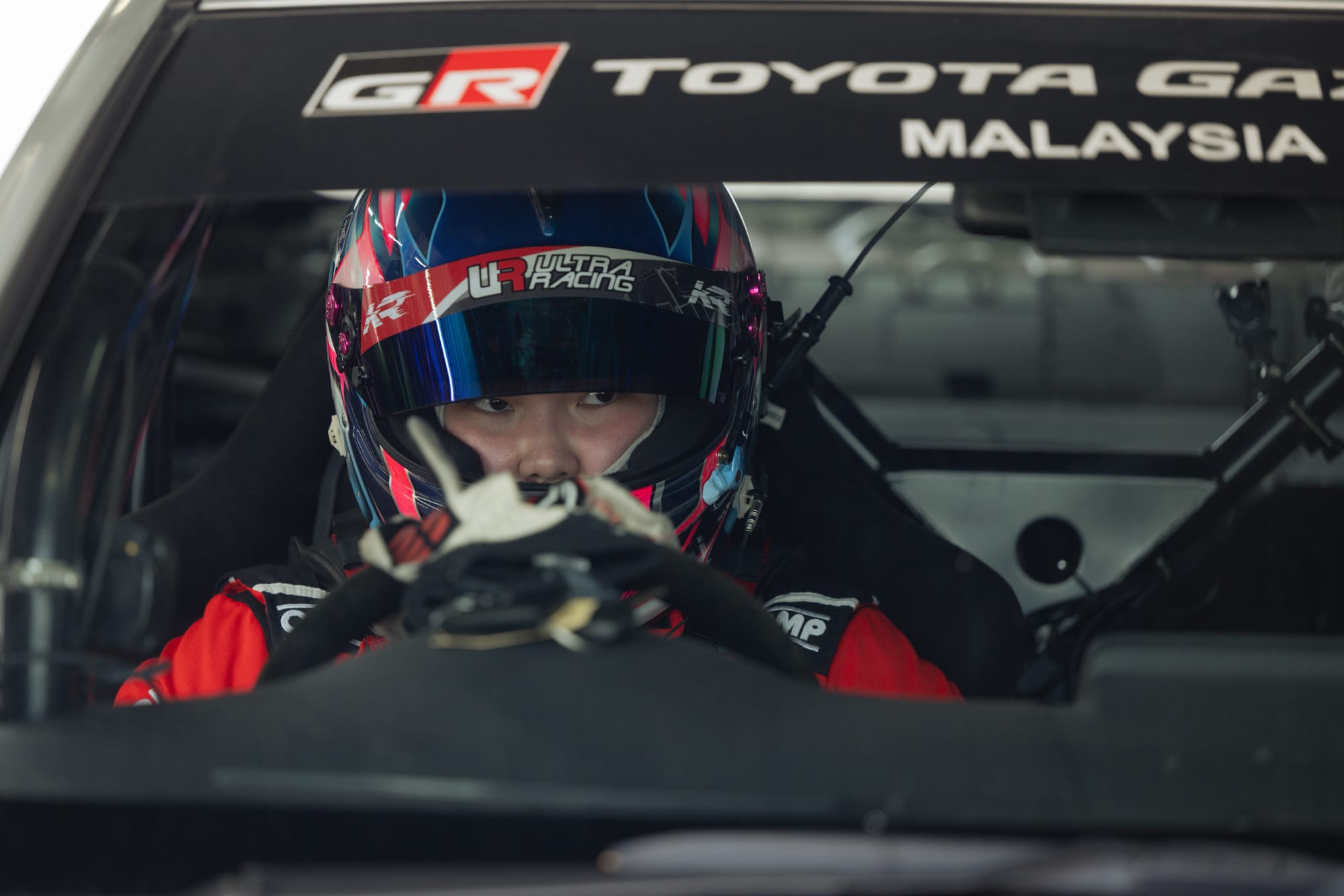
In Yin Yi’s story, Kenny Lee is more than just a coach. As the Founder, Team Principal, and Chief Coach of KRA and Kegani Racing Services, Kenny frequently shares the cockpit with Yin Yi in endurance races.
Together, the pair won the 2025 Sepang 1000KM Vios Enduro Cup and the 2026 MSF Merdeka 111 in the Super Compatto class, alongside taking four podiums in the 2026 TGR Vios Classic Challenge.
They make winning look easy, but their formula for success lies as much in the mental preparation as in the physical.
“You have to be more patient at the start, find a good position, manage your tyres, and maintain consistency over a much longer distance,” she shares. “But that doesn’t mean you can’t fight hard. You still need to race aggressively when the opportunity comes, but you have to know when to push and when to preserve the car.”
One thing Yin Yi constantly reminds herself in endurance racing is that she is not just driving for herself. With teammates waiting for their stints, she has to hand the car over in good condition, knowing any misstep could compromise the entire team’s race.
Sprint races, on the other hand, last around 10 to 20 laps. Drivers must maximise their qualifying performance to start as far up the grid as possible. Once the lights go out, it is an all-out push where every mistake is costly, leaving little time to recover if something goes wrong.
Making Her First International Debut
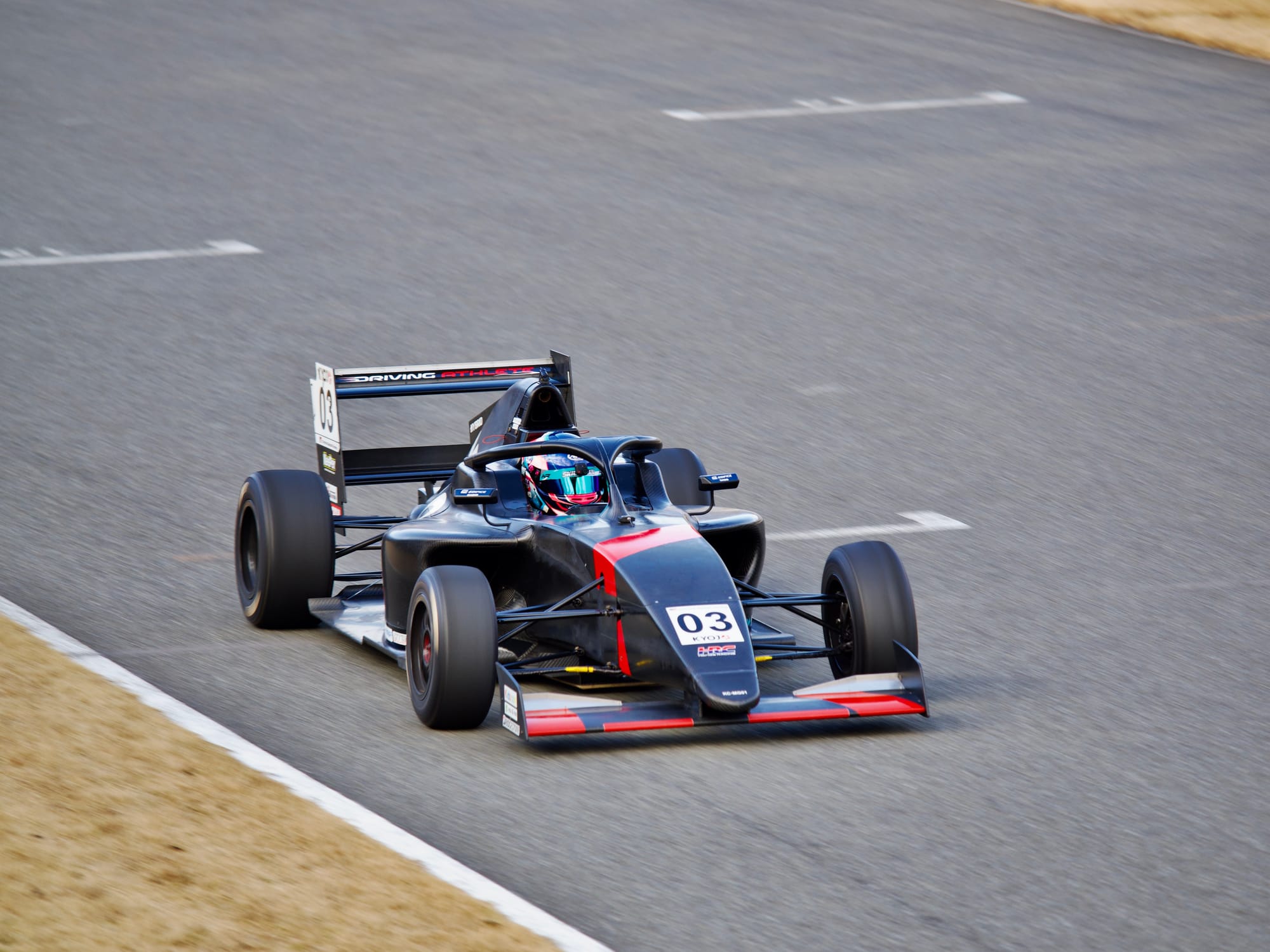
Yin Yi made her international debut in the 2026 KYOJO VITA Championship, thanks to the launch of KRA Japan. Inspired by Kenny’s own stint racing in Japan between 2017 and 2019, KRA Japan was designed to expose Malaysian grassroots champions to Japanese technical standards, racing ethics, and circuit variety through a combination of classroom theory, simulator training, and track time.
Yin Yi was also one of 11 drivers selected for the 2026 KYOJO CUP Tryout. The two-day format saw drivers go through intensive monocoque simulator sessions at ZENKAIRACING Gotemba before getting a feel for the KC-MG01 Formula 4 single-seater on the Fuji Speedway Short Course.
One of the biggest culture shocks for the Malaysian in Japan was the racing culture. “The Japanese people are incredibly welcoming and supportive, regardless of where you come from. They always greet you warmly, and even the local fans are very supportive of international drivers,” she remembers.
Her breakthrough came during Round 2 at Fuji Speedway, where she qualified third on the second row. With typhoon-season cloudbursts flooding the circuit, race control moved the start forward by 50 minutes and began the race behind the Safety Car. When the Safety Car period ended, Yin Yi suffered contact at Turn 1 that dropped her to fourth.
By Lap 5, she found her rhythm in the wet and fought her way back to third. She held that position to the chequered flag behind winner Ayumu Nagai and Kilei Kanemoto, securing her first international podium in Japan.
When I achieved my first podium there, hearing the Japanese fans cheering for me was such a special moment. It made me feel really welcome, even though I was racing in a foreign country.
Beyond the culture, the toughest part of racing abroad was competing in an unfamiliar environment. The weather varied significantly, from freezing winter temperatures to extreme summer heat. In another outing, she also had her lap time deleted despite qualifying on the front row because she exceeded track limits without realising it.
“Racing in Japan is highly competitive, and every little detail matters. I learned that I had to be more careful and manage my mindset instead of letting frustration affect my performance,” she recalls. “My coach, Kenny Lee, played a big part in helping me overcome that setback. He patiently explained where I needed to improve and what I should pay attention to when racing overseas.”
Adapting To A Wide Range of Machinery
What stands out about Yin Yi’s racing career is how quickly she has adapted to such a wide range of cars. Moving up from karts and front-wheel-drive saloons, she has raced and tested everything from lightweight prototypes to high-downforce machinery, including the VITA-01, Radical sports cars, and even a Formula 4 single-seater.
Take the Toyota Vios, for example. Compared to the short-wheelbase Suzuki Swift hatchback, the Vios has a longer rear overhang and a different polar moment of inertia, requiring smoother steering inputs to keep the rear stable.
At the other end of the spectrum is the FJ1500, raced in Japan across the JAF Regional FJ1500 Championships. Powered by a mid-mounted, 1.5-litre naturally aspirated four-cylinder engine, it runs on grooved control tyres with no wings and minimal aero. Seating the driver on the centreline with exposed wheels, the car demands heel-and-toe rev-matching, a feel for suspension load, and four-wheel drift control without relying on aerodynamic downforce.
To cope with the constant switch between cars and circuits, Yin Yi credits her time in the simulator. “It helps me familiarise myself with the track layout and understand the characteristics of different drivetrain configurations,” she says. “Before I get into an unfamiliar car, I try to understand as much as I can about its behaviour, handling, and driving techniques so I can adapt more quickly once I’m behind the wheel.”
For Yin Yi, racing overseas also carries a bigger responsibility. Determined to show that Malaysian drivers can compete internationally, she strives to prepare well, learn as much as possible, and give her best whenever she gets the chance to drive something new.
The Future of Women In Motorsports and Asian Athletes
Having started her racing career in 2023, Yin Yi believes that female drivers are still underestimated in motorsports. It is a feeling she had when she first started racing, and one that never faded as she climbed the motorsports ladder.
“For me, results and actions speak louder than words. Once you start delivering results, people will eventually have less to say,” she says. “I would rather focus on improving myself, putting in the work, and proving my pace on track.”
Of course, one of the greatest assets in Yin Yi’s racing career is her relationship with her coach, Kenny. He has always treated her as an equal and trained her the same way he trains the guys at KRA, never once going easy on her just because she is a girl. That lesson became one of the most valuable teachings in her racing journey.
“He made me realise that equality in motorsports means being given the same standards, the same expectations, and the same opportunities to prove yourself,” she says. “Once you’re on the track, the rules don’t become easier just because you’re a woman. You have to compete, perform, and earn your place just like everyone else.”
That mindset shapes the way I approach racing today. When I line up on a male-dominated grid, I don’t see myself as someone who needs special treatment.
Looking ahead, Yin Yi believes the biggest change Asian motorsports needs to bring more talent onto the grid is a clear, accessible pathway for people who want to start their racing journey.
Yin Yi, for example, started with the driver development academy SKILLDRVN, where she learned the fundamentals of racing. They also organise one-make series where everyone competes in identical cars under controlled regulations.
“We need more accessible training programmes, proper coaching, and opportunities to compete in a fair environment,” she shares. “Not everyone comes from a wealthy background, and motorsports is already an expensive sport to enter. Having a structured pathway makes a big difference because it gives people a chance to develop their skills step by step.”
Yin Yi’s own progression is proof of that. She firmly believes that if more pathways are created across Asia, more talented young drivers will discover their potential and get a real opportunity to progress in motorsports.