Updated November 2026
The Formula 1 ladder is the chain of single-seater championships a driver climbs on the way to F1: karting, Formula 4, Formula Regional, Formula 3 and Formula 2. To race in F1, a driver needs an FIA Super Licence. That means being at least 18 years old, holding 40 or more Super Licence points, and passing the FIA’s medical and safety checks. This guide explains each step, how the points work, and which Asian championships feed into the ladder.
The F1-ladder at a glance
- Karting: where almost every driver starts
- Formula 4 (F4): the first single-seater step
- Formula Regional: faster cars, bridging F4 and F3
- Formula 3 (F3): the international step below F2
- Formula 2 (F2): the last step before F1
- Formula 1: the top, reached with a Super Licence
Karting

Karting is where drivers learn racecraft. It also earns a small number of points: a driver can collect at most 12 points from FIA karting championships [not IAME, Rotax, ROK, etc.], and those points stay valid for five years. It is a start, but nowhere near the 40 needed.
Formula 4
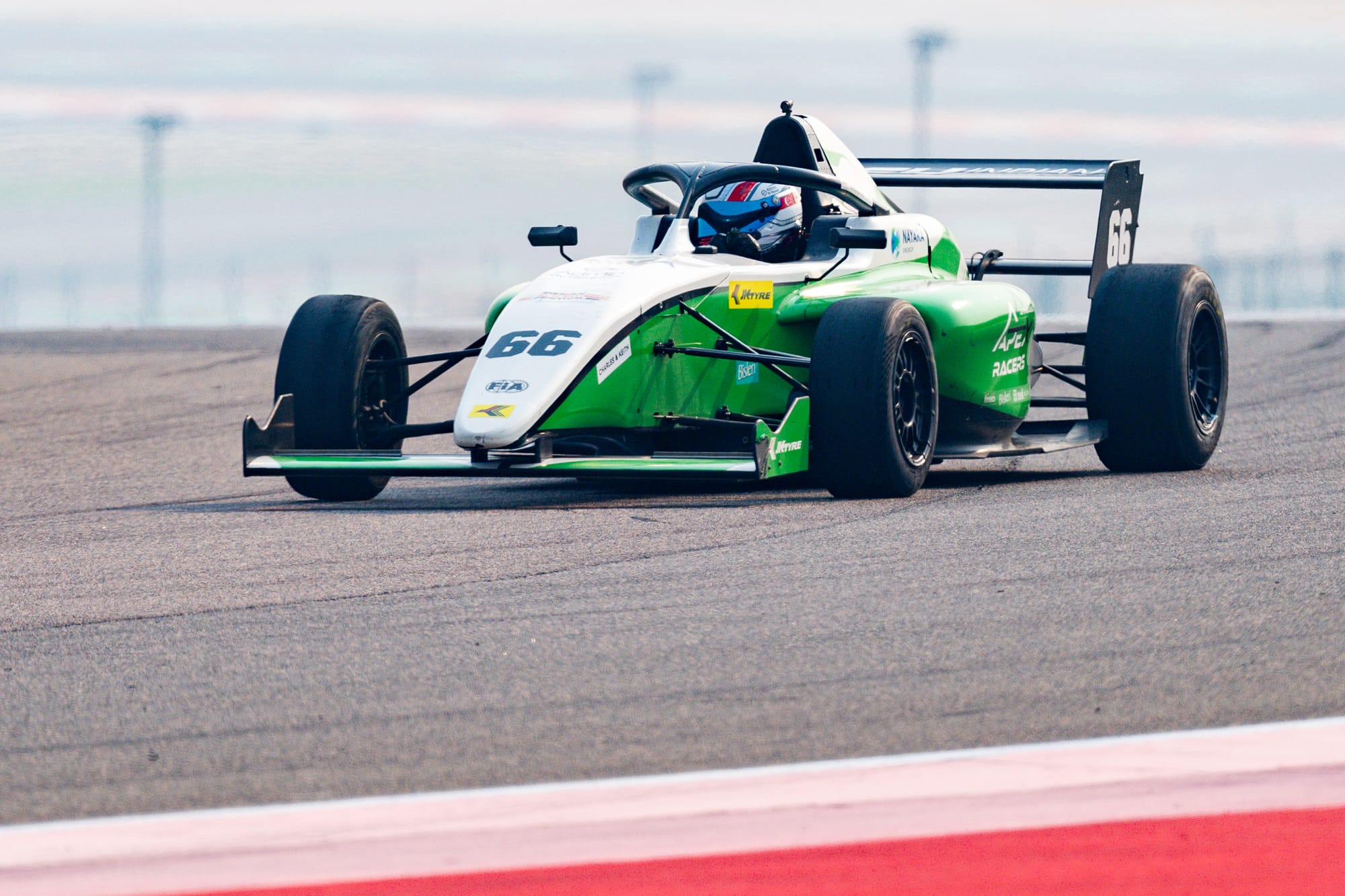
F4 is the first single-seater step. It is for drivers aged fifteen and older, and each F4 championship runs within a single region. The FIA recognised twelve F4 championships as of 2026, excluding the Macau Grand Prix.
Four of them matter most for Asian drivers:
- FIA Formula 4 Chinese Championship: certified by the FIA and run with Mygale M21-F4 cars.
- FIA Indian Formula 4: India’s first FIA-certified single-seater series, built as a path from karting into international racing.
- F4 Japanese Championship: run by the GT Association, the organiser of Super GT.
- F4 Saudi Championship: The Championship currently stands as West Asia's sole FIA certified F4 championship, promoted by ALTAWKILAT Motorsport.
Read more about the FIA Saudi F4 championship here [Interview with Pierre Herrenschmidt, Head of Commercial, ALTAWKILAT Motorsport]
Follow the Indian F4 Championship news here
Formula Regional

Formula Regional is the second rung. It uses cars that are more powerful than those in Formula 4. It is where drivers learn to handle more speed and more demanding tracks before F3.
From 2026 the FIA split Formula Regional into two kinds of series:
- Championships: the established full-season series, namely the Formula Regional European, Japanese and Americas championships. The champion earns 18 Super Licence points, with points down to ninth place.
- Trophies: shorter, condensed events that now include Formula Regional Oceania and Formula Regional Middle East, which award fewer points than the full championships.
A new FIA Formula Regional European Championship was announced for 2026, with full FIA status. For Asian drivers, the key series on home soil is the Formula Regional Japanese Championship, Japan’s FIA-certified Formula Regional series.
Follow the Formula Regional Championships here
Formula 3

The FIA Formula 3 Championship is the official Formula 3 series, run as a support series to F1 on select weekends. A champion earns 30 Super Licence points. That is not enough on its own, so an F3 champion still needs a few more points from another season. On F3 level machinery, there are two other alternate options drivers may choose to do, which also provide super license points: Euro Formula Open and Euro-Cup 3
Formula 2

F2 is the final stage before F1 and carries the most points. The F2 champion earns the full 40, which alone is enough for a Super Licence. The table gives 40 points to the top three finishers, then 30 for fourth, 20 for fifth and 10 for sixth. A driver does not strictly have to race in F2 to reach F1, but it is the most direct route.
How the Super Licence points work
- The points come from your results over the most recent three seasons (Super Licence points are calculated from the last three seasons).
- Different championships pay different points. F2 pays the most, then F3, Super Formula and a few others at the 30-point level.
- Up to 10 extra points can come from taking part in F1 practice sessions under the FIA’s conditions.
- The 18-year age minimum applies however many points a driver has.
Points tables change, so always check the FIA’s International Sporting Code for the current figures.
Another route: Super Formula
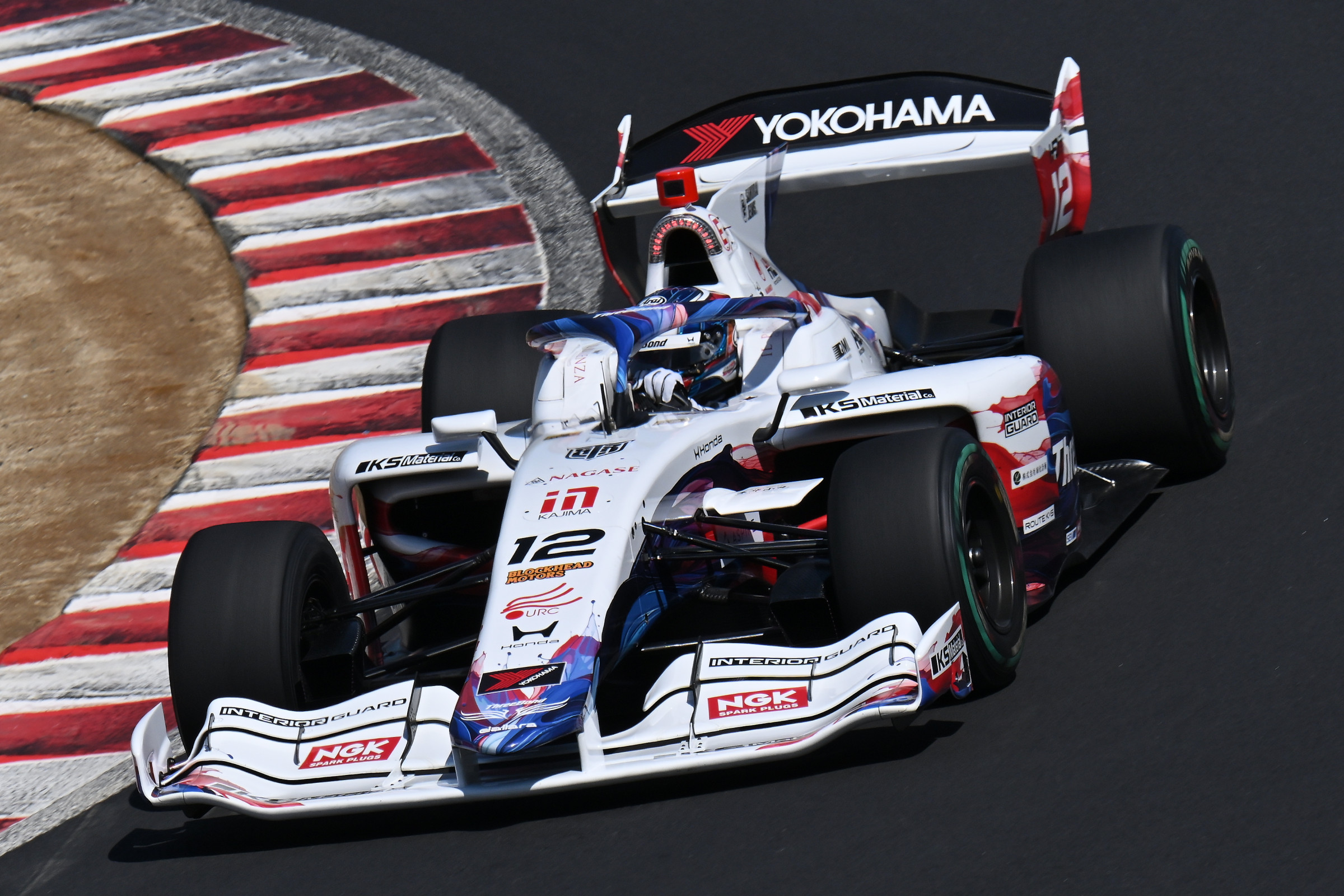
Japan’s Super Formula is the main alternative to F2. Its champion earns 30 Super Licence points, up from 25 before 2025. That puts it level with F3 and with the champions of Formula E and the WEC Hypercar class. For Asian drivers based in Japan, it is a real path to F1 points without moving to Europe.
Follow the Super Formula season here
Where Asian drivers start
Many Asian drivers begin in F4 SEA, Indian F4 or the F4 Japanese Championship, then move to the Formula Regional Japanese Championship or to Europe. From there, the route runs through F3 and F2, or into Super Formula.
Read Yevan David's journey here | Read David Djaja's journey here | Read Juju Noda's journey here
Frequently asked questions
How old do you have to be to race in F1?
At least 18 to hold a Super Licence.
Do you have to race F2 to reach F1?
No. Points from F3, Super Formula and other series count too, but an F2 title on its own is worth the full 40.
What is the first step after karting?
Formula 4, open to drivers aged 15 and over.